Born in Guangdong
出生
Wu Kun was born in 1918 in 石骨 (Shigu — literally 'stone bones'), Gaozhou 高州, western Guangdong — the same home village as his older brother Wu Yuan Xing 吳源興 — the generation that came of military age exactly as the Sino-Japanese War broke out in 1937.
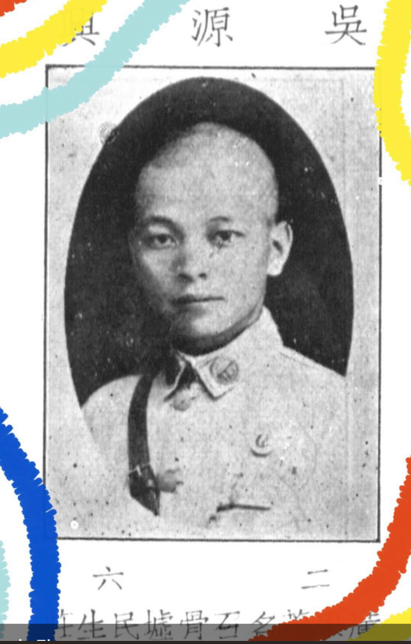
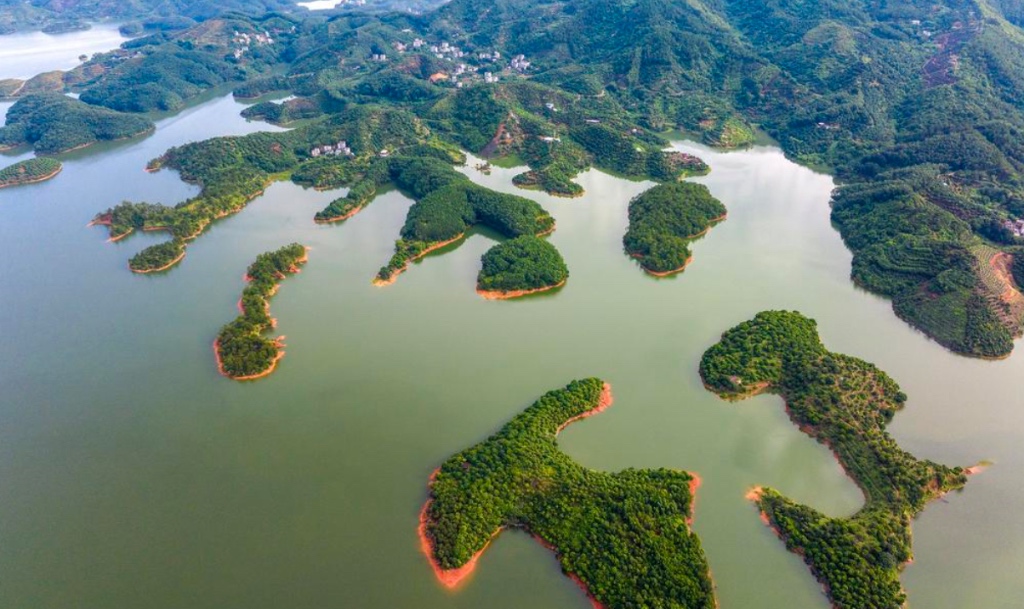
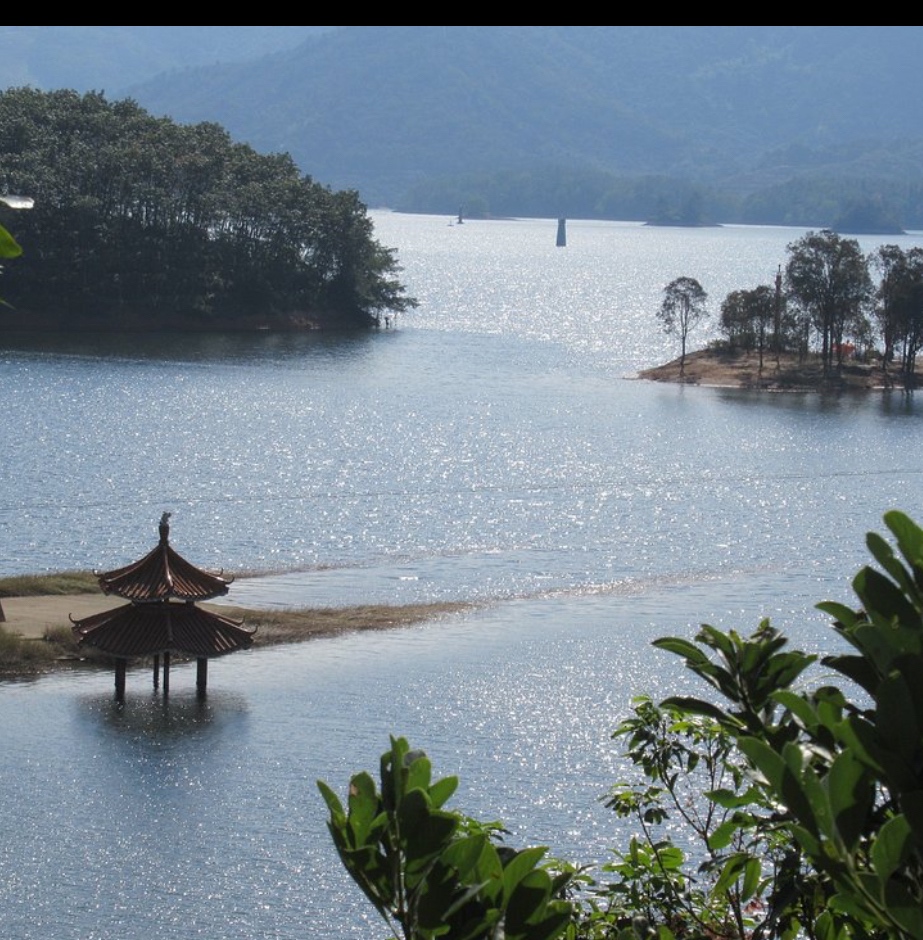
- ✓ ConfBirth year 1918 (family-attested); birthplace 石骨 (Shigu — 骨 'gu' meaning 'bone', so literally 'stone bones'), a township within 高州 (Gaozhou) prefecture in western Guangdong — the same ancestral village in which his older brother Wu Yuan Xing 吳源興 (b. 1916) was born and raised. The 石骨 placename is documented in Wu Yuan Xing's Whampoa Military Academy 10th-Class portrait record (黃埔軍校第十期) as his registered native place. The Shigu home stood in what is today the 玉湖 (Jade Lake) area, on a low-lying tract then known locally as 月亮島 (Moon Island) within the 鑑江 (Jian River) basin, and was submerged in 1958–1960 by the construction of the 高州水庫 (Gaozhou Reservoir).
- ≈ InfBorn into the late-warlord-era Guangdong, the cohort recruited heavily into the Cantonese 粤军 through Whampoa in the early-to-mid 1930s.
- ✓ ConfPre-Whampoa schooling (family-attested): before entering the Central Military Academy in 1935, Wu Kun studied at 南嶽書院 (Nanyue Academy) in his home prefecture of 高州 (Gaozhou) — the flagship academy of the historic 高凉 (Gao Liang) cultural district in western Guangdong, founded under that name in 明隆慶三年 (1569) and successively renamed 筆山書院 (1612), 敷文書院 (1730), 高文書院 (1800), and finally reorganised in the late Qing / early Republic as the modern 廣東高州中學. Gaozhou city itself was founded in 隋開皇十八年 (598 CE) and is therefore an ancient walled city of more than 1,400–1,600 years' continuous history; from the Tang through the Qing it was honoured as one of 廣東四大文教之鄉 (the Four Great Cultural-Educational Towns of Guangdong) and at its late-Qing peak hosted some 13 academies (書院) — including 南嶽 / 高文、近聖、文明、正音、觀山、英才、玉華、興仁、起鳳 and others. This dense local academy network gave the Cantonese officer cadre of Wu Kun's generation an unusually strong grounding in classical letters, and is the documentary basis for his later reputation as a 儒將 (scholar-general).
- ✓ ConfOlder brother: Wu Yuan Xing 吳源興校長 (b. 1916) — Whampoa 10th Class (黃埔軍校第十期 / 中央陸軍軍官學校第十期), in residence 1933–1936/37 (1st Brigade 1933.7–1936.6; 2nd Brigade 1933.8–1937.1). After Whampoa he attended 中山大學法學院 (Zhongshan University, College of Law / Sun Yat-sen University), pairing his military commission with formal legal training — a profile then characteristic of the Cantonese officer-administrator class. In 1940 attended a senior-officer / high-ranking-official training course (高級官員訓練班). Worked as a newspaper editor (報社編輯) from 1939 to 1949 — family-attested as publisher of the 嶺南日報 (Lingnan Daily), which reached a daily circulation of roughly 20,000 readers; a budget note preserved in the 白崇禧 (Bai Chongxi) archive at the Hoover Institution records the publishing cost at 29 cents. He also served as 縣長 / 行政專員 (county-level administrative commissioner) of Xuwen 徐聞 in the Leizhou Peninsula. In late 1949 / early 1950 the two brothers were jointly setting the defence of Hainan against the PLA crossing — the proximate reason Wu Kun was killed in the 1950 transition. After 1949 Wu Yuan Xing relocated to Hong Kong where he served as a founding faculty member and headmaster (校長) of 大同中學 (Datong Middle School) — the post-1949 Hong Kong school founded by 陳濟棠 (Chen Jitang), the Cantonese strongman and patron of the same 粤軍 / 德明教育機構 network in which the Wu brothers had been raised, and staffed largely by fellow Whampoa graduates — where he taught and administered for the rest of his career, and served as a voting member of the Hong Kong local government; given his 中山大學法學院 legal training, he is likely to have contributed to early Hong Kong common-law drafting work in that period. Cross-referenced against 《黃埔軍校將帥錄》 (Chen Yuhuan ed.).
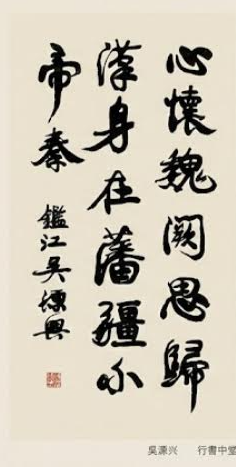
- ✓ ConfWu Yuan Xing the artist (family-attested): alongside his careers as Whampoa-trained officer, county administrator, newspaper editor and post-1949 Hong Kong school headmaster, Wu Yuan Xing 吳源興 was a working artist of long standing. He was best known in two media — Chinese calligraphy (書法), in which he served as Chairman of the Hong Kong Calligraphy Association (香港書法協會主席) and exhibited internationally (Singapore, 1986), and woodblock carving for printing (木刻 / 木版印刷), the traditional Chinese craft of cutting characters and figural images into pearwood blocks for ink impression — the same craft tradition that produced the 年畫 (New Year prints) and the door-god (門神 / 神荼鬱壘) imagery of Cantonese and Lingnan folk art. His carved blocks and pulled prints, together with his calligraphic scrolls, circulated as collectibles within the Cantonese diaspora and the Hong Kong–Taipei art-collector network from the 1950s onward. Family-attested: individual pieces are held in national museum and institutional collections in Taiwan and mainland China; the precise holdings, accession numbers and exhibition history remain to be itemised here as the family completes the catalogue. The wood-carved relief used as Wu Kun's regimental seal at the top of this page is a deliberate visual nod to that older brother and to the medium he made his life's second discipline.
- ✓ ConfWu Yuan Xing 吳源興 — career record (family voice, set down here as the canonical account). Born 1916 in 廣東高州長坡鎮龍頭洞 (Longtoudong, Changpo Town, Gaozhou — historically part of 茂名 Maoming prefecture). Education: Law degree from 廣州大學 (Guangzhou University), with advanced coursework at the 廣東地方自治人員訓練所 (Guangdong Autonomous Personnel Training Institute); 黃埔軍校第十期 (Whampoa Military Academy 10th Class, Nanjing, 1933.7–1937.1), cross-referenced against 《黃埔軍校將帥錄》 (Chen Yuhuan ed.). Pre-1950 mainland civil & military service: Section Chief of Governance / Autonomy (民政科長 / 自治科長) for 海康縣 (Haikang County); after the outbreak of the Second Sino-Japanese War in 1937, served as Chief Secretary (主任秘書) of the 第七區行政督察專員公署 (7th District Administrative Inspector's Commissioner's Office); later elevated to Director of the 救濟院 (Relief Academy) under the 廣東省政府社會處 (Guangdong Provincial Department of Social Affairs). Post-1950 Hong Kong educational career: migrated to Hong Kong in 1950; concurrently teacher and later Head of the Secondary School Department at 大同中學 (Da Tong Middle School); then long-serving Principal of 高雷中學 (Tak Loi / Ko Lui Middle School) from 1972 until his retirement in 1988 — a 16-year administration credited with stabilising and shaping the school's early modern development.
- ✓ ConfSister institution in the same Hong Kong Cantonese-diaspora network: 高雷中學 (Ko Lui Middle School / Gao Lei Middle School) — likewise founded under 陳濟棠's patronage to serve students from the 高 (Gaozhou) and 雷 (Leizhou) prefectures of western Guangdong, the Wu family's home region. Family-attested: the school commemorates its founding each year on 陳濟棠's birthday in November, an annual ritual that anchors the Hong Kong 高雷 alumni community to the same Cantonese 粤軍 patronage line that produced the Wu brothers' education and Wu Kun's wartime command chain (陳濟棠 → 鄧龍光 / 余漢謀).
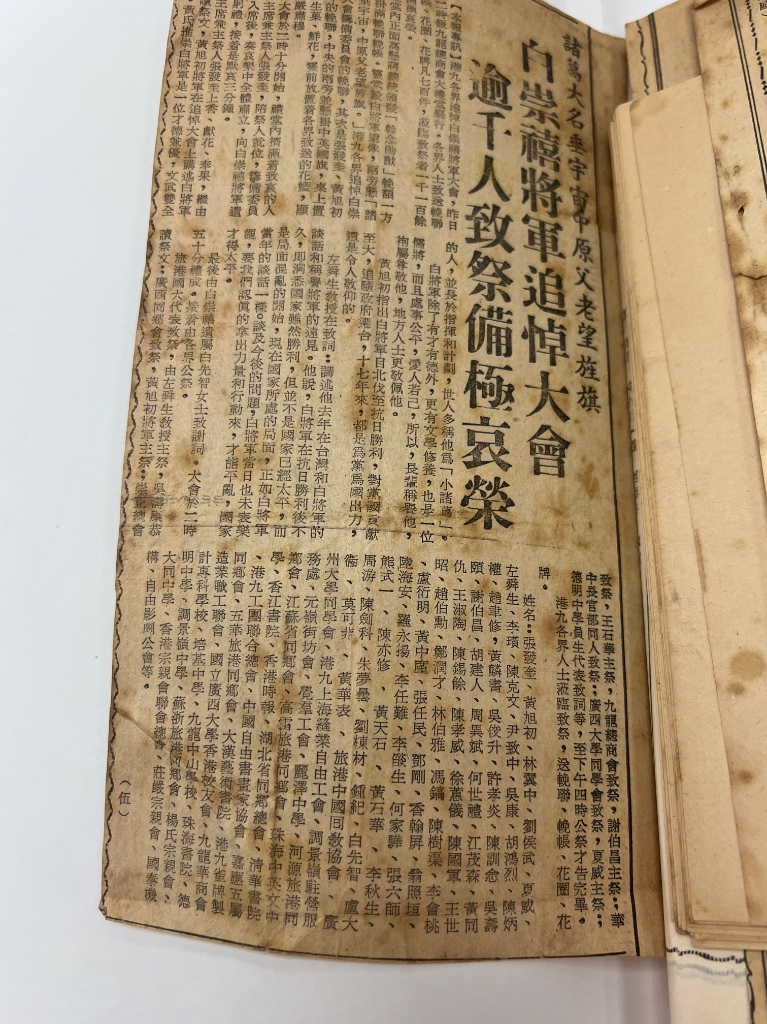
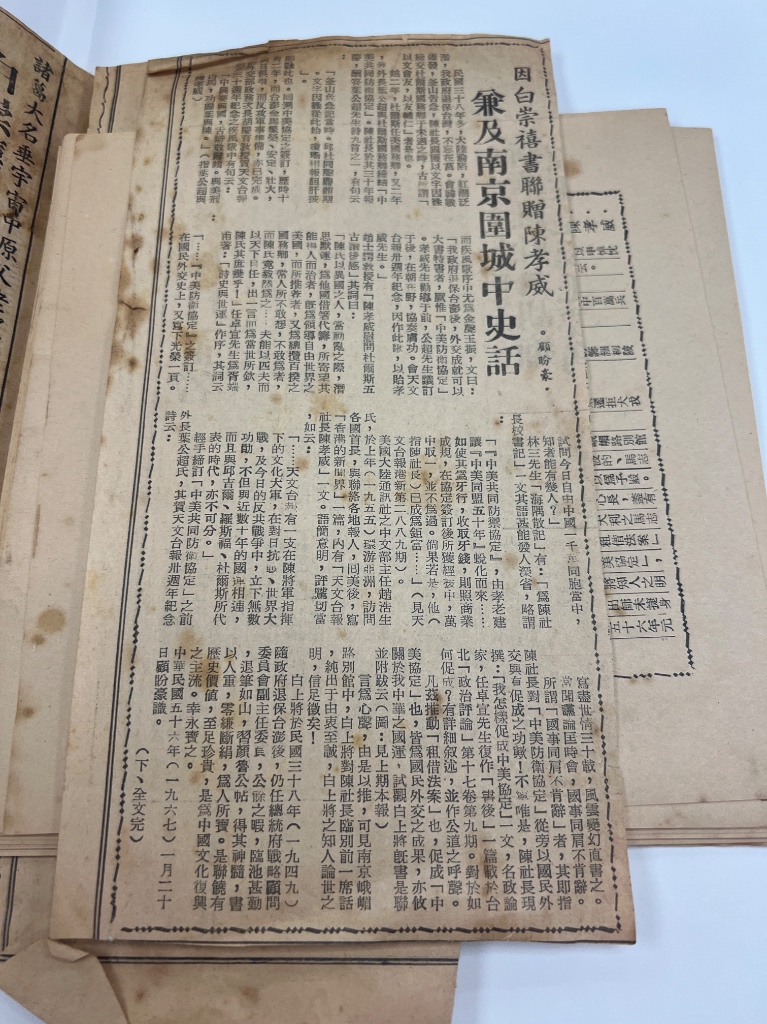
- ✓ ConfBai Chongxi funeral, December 1966 (family-attested, with archival corroboration): when General 白崇禧 (Bai Chongxi, 1893–1966) died in Taipei on 2 December 1966, more than one thousand mourners attended the funeral — a measure of his standing as one of the senior surviving Nationalist commanders of the Sino-Japanese War. Wu Yuan Xing 吳源興, on behalf of the Hong Kong 高雷 alumni community, sent a funeral wreath in the name of the school (高雷中學 / 大同中學) — a public gesture that placed the Cantonese 粤軍 / 陳濟棠 — 鄧龍光 — 白崇禧 patronage line, in which Wu Kun had served and his brother had been educated and now taught, on visible record at the senior commander's funeral. Verifiable archival trail: the funeral photograph and contemporaneous Hong Kong / Taipei newspaper clippings recording the school's wreath are held in the Bai Chongxi Papers (白崇禧檔案) at the Hoover Institution Library & Archives, Stanford University — the same collection that preserves the 嶺南日報 budget note attesting to Wu Yuan Xing's wartime newspaper-editor role.
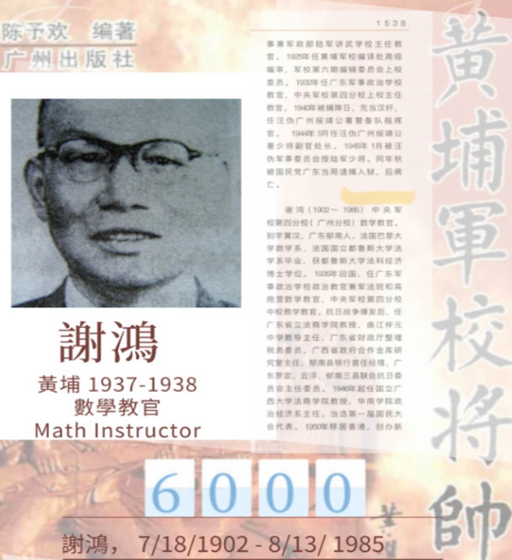
- ✓ ConfFather-in-law: Xie Hong 謝鴻 (1902.7.18 – 1985.8.13) — Whampoa Mathematics Instructor (數學教官) 1937–1938 at the Central Military Academy / Guangzhou branch. Born in Guangdong; educated at French universities (法國巴黎大學, 法國巴黎政治大學, 法國斯特拉斯堡大學, 法學博士). Returned to China in 1935; held senior posts in 廣東省政府 and 中央陸軍軍官學校第四分校, later 廣東省立法商學院, before serving in the postwar Nationalist Guangdong administration. Listed on page 1538 of 《黃埔軍校將帥錄》 (Chen Yuhuan ed.).
- ≈ InfWhy he left university for the front (family-attested): Wu Kun was enrolled at 廣東大學 (Guangdong University — the institutional predecessor / contemporary cohort of what became 國立中山大學 Sun Yat-sen University in Guangzhou) when news and photographs of the Japanese atrocities of the late 1930s reached the southern Chinese press — the Rape of Nanjing (南京大屠殺, December 1937) and the sustained terror-bombing of the wartime capital Chongqing 重慶 that began in the spring of 1939 and continued through 1941. The widely circulated press images of those years — Japanese armoured columns entering walled Chinese cities, Japanese commanders in mounted victory tableaux at captured city gates, the burnt-out residential quarters of Chongqing under aerial bombardment, and the now-iconic photograph of an unaccompanied infant crying in the rubble of the Shanghai South railway station — were the proximate moral trigger for Wu Kun's decision to interrupt his university studies and enter the Central Military Academy / Whampoa system, joining his older brother Wu Yuan Xing 吳源興 already in the officer pipeline. Family-attested transmission; precise enrolment dates at 廣東大學 and the exact academy intake year for Wu Kun remain to be reconciled against the 黃埔軍校將帥錄 cohort registers.
- ✓ ConfEditor's note — at this exact moment (first-person, family voice): "I don't know why my grandpa had to fight in the war. It was not necessary. He did it. I wish he had not." This note is anchored here, at the decision point, rather than later in the campaign record — because this is when he was pulled into the war, and the choice was his alone. Nothing in the household required it: the family had the means and standing to keep him in university (see the wealth-scale note in the 1940–1945 phase — an entire mountain in Gaozhou, personal maids, more than one hundred servants). No one in the household wanted him to go. The press images of Nanjing and Chongqing pulled him to the front anyway. The family has carried the cost of that single decision across three generations: a lost commander in 1950, a brother displaced to Hong Kong, an estate dispossessed under land reform, and the long silence afterwards. This site preserves the grief alongside the facts — a descendant's refusal to let an idealist's choice be erased or recast by the regime that benefited from his side losing.
All linked sources are consistent with this phase: at least one primary or family attestation is present, and citations corroborate one another.
Sources supporting this phase
- familyFamily Photograph — Wu Yuan Xing 吳源興校長
- primaryWhampoa Archive Portrait — Wu Yuan Xing 吳源興
- familyCalligraphy by Wu Yuan Xing — Singapore 1986
- primaryXie Hong 謝鴻 — Whampoa Math Instructor (Page 1538)
- primaryWhampoa Military Leaders
- referenceThe profound legacy of China's Whampoa Military Academy
- primaryReport: Statement on Commissioned Personnel Strength and Classification as to Training
- reference高州市 — 维基百科,自由的百科全书
- reference高文書院 — 百度百科 / 中文百科全書
- secondary粵西地區百年名校 — 廣東高州中學的前世今生
- primaryKuang Mei Yan Papers — Chinese University of Hong Kong Library Special Collections
Wu Yuan Xing 吳源興 — works in museum & institutional holdings
吳源興 書法 / 木版刻印 — 館藏目錄(整理中)
| Work | Medium | Date | Institution | Accession # | Status |
|---|---|---|---|---|---|
| 行書中堂 — 『心懷魏闕思歸 / 藏身在邊疆 / 帝秦』(signed 鑑江 吳源興, with seal) | Calligraphy — running script (行書), ink on paper | 1986 (exhibited Singapore) | Hong Kong Calligraphy Association archive (香港書法協會) | — (pending) | Catalog-confirmed |
| Calligraphic scroll set (specific titles to be itemised) | Calligraphy (書法) — ink on paper / silk | Hong Kong period, c. 1955–1990 | National Museum of History 國立歷史博物館, Taipei | — (pending) | Family-attested |
| Calligraphic scroll set (specific titles to be itemised) | Calligraphy (書法) — ink on paper | Hong Kong period, c. 1960–1985 | National Palace Museum 國立故宮博物院, Taipei | — (pending) | Family-attested |
| Woodblock-carved printing blocks & pulled prints (門神 / 年畫 tradition; specific titles to be itemised) | Woodblock carving (木刻 / 木版印刷) — pearwood block + ink impression on paper | c. 1955–1985 | National Museum of China 中國國家博物館, Beijing | — (pending) | Family-attested |
| Woodblock-carved prints — Lingnan 嶺南 / Cantonese folk-art subjects (specific titles to be itemised) | Woodblock carving (木刻) — ink impression on paper | c. 1960–1985 | Guangdong Museum 廣東省博物館, Guangzhou | — (pending) | Family-attested |
Note · Family-attested catalogue of Wu Yuan Xing's surviving calligraphy (書法) and woodblock-print carvings (木刻 / 木版印刷). Items marked 'family-attested' are reported by the family to be held in the named institution but have not yet been verified against a public accession record on this site; items marked 'catalog-confirmed' have been cross-checked against a published catalogue, accession number, or exhibition record. Accession numbers shown as '— (pending)' will be filled in as the family completes the catalogue. Corrections and accession data from the institutions named are welcome via the contribute panel.