The brother · 兄
Wu Yuan Xing 吳源興 — newspaper, schools, Hong Kong
Wu Kun's elder brother (b. 1916) was a cadet of the Whampoa 10th Class (第十期, 1933–1936/37) and, in 1940, attended a senior-officer training course (高級官員訓練班) reserved for high-ranking officers. He served as a wartime county-level administrator on the Leizhou tip opposite Hainan, and — across roughly a decade from 1939 to 1949 — 總編輯 (chief editor) of the 嶺南日報 (Lingnan Daily News) in Gaozhou 高州, a founding-faculty member of 大同中學 (Datong Middle School), proprietor of the 普慶劇院 (Po Hing Theatre) in 油麻地 (Yau Ma Tei), Hong Kong from 1955 to 1972, and a long-time supporter of 高雷中學 (Gao Lei Middle School) on 黃埔道 (Whampoa Road), 觀塘 (Kwun Tong) — together with the Hong Kong Cantonese educational and same-prefecture networks that included the 香港高州同鄉會 and the supporting community of 珠海學院 (Chu Hai College). This page collects the photographic record of those places and colleagues.
Places on the map
Three working addresses anchor this page: the 嶺南日報 office in Gaozhou 高州 (Guangdong), the former 普慶劇院 site in 油麻地 (Yau Ma Tei), and 高雷中學 on 黃埔道 in 觀塘 (Kwun Tong). Click a pin for details.
Two brothers, one war — a parallel timeline
Wu Yuan Xing's editorship of the 嶺南日報 (Lingnan Daily News) in Gaozhou (c. 1939–1949) ran almost exactly in parallel with his younger brother Wu Kun's wartime education and combat service. The two tracks — pen in Gaozhou, command at the front — were the same family's twin response to the Japanese invasion.
Concise view by default — tap any year to expand the underlying detail. Click a 📍 location chip to focus it on the event map below.
Wu Kun — wartime event map
Nanjing (Dec 1937 break-out), 陸軍大學 wartime campus (Zunyi), and the 958th Regiment / 160th Division sectors in Guangdong–Guangxi (1940–1945).
Sources: family record; Whampoa class rosters (10th and 12th); 《陸大參謀班畢業學員索引》 (Army University Staff Class Graduate Index, NLC416-11jh008686-73200); Lingnan Publishing House, 1940 imprint. Dates marked "c." are inferred from corroborating sources rather than a single dated document.
Hong Kong civic service · Tung Wah Group of Hospitals (東華三院) board of directors
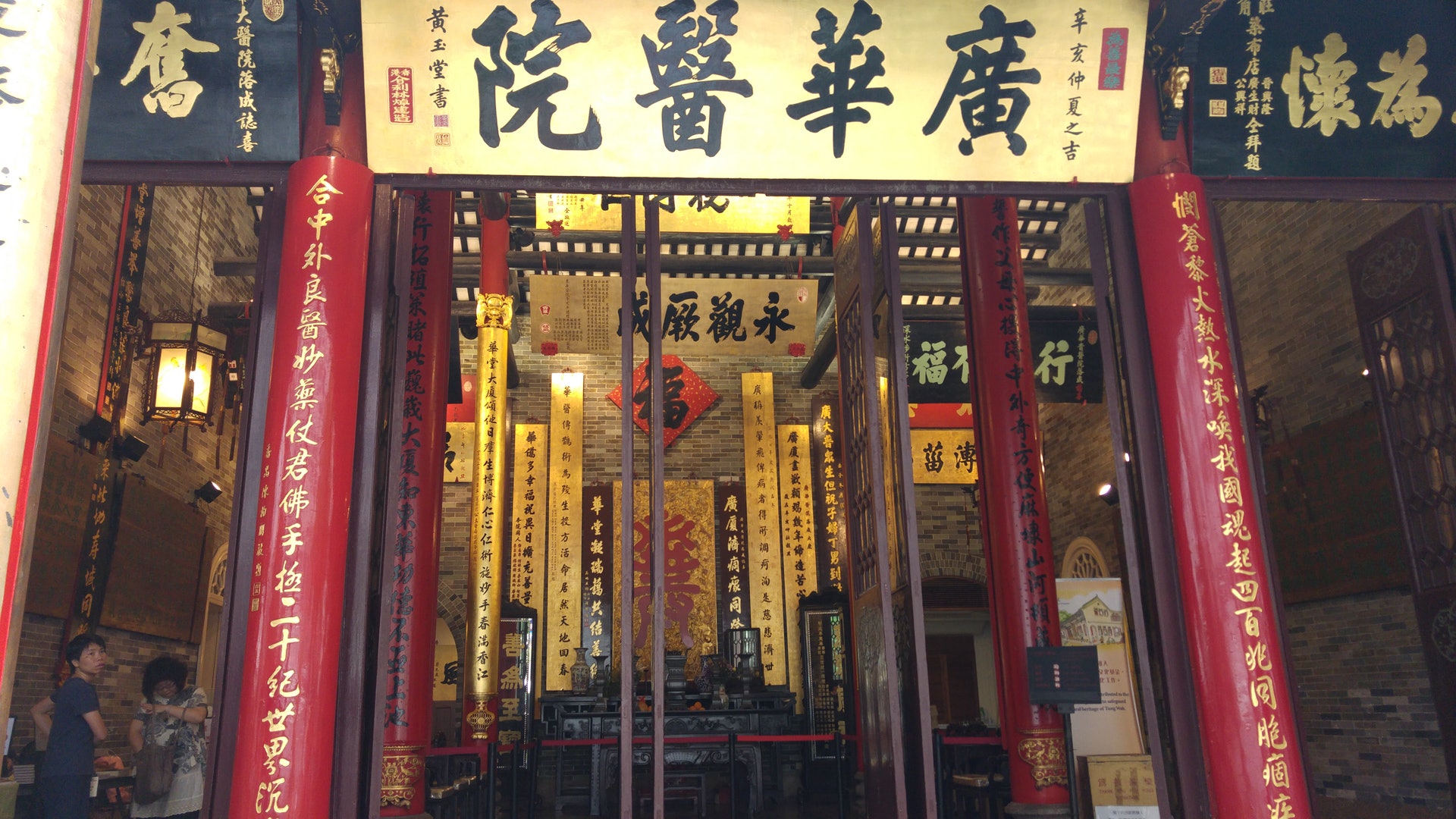
In parallel with running the 普慶劇院 (Po Hing Theatre) a few streets away in 油麻地 (Yau Ma Tei) from 1955, Wu Yuan Xing 吳源興 is recorded in family memory as having served on the board of directors (董事局 / 總理) of the Tung Wah Group of Hospitals (東華三院) — the charitable body that runs 廣華醫院 (Kwong Wah Hospital), 東華醫院 (Tung Wah Hospital) and 東華東院 (Tung Wah Eastern Hospital), and whose annual board is one of the most consequential civic offices in Chinese Hong Kong. The role would be consistent with his other Hong Kong positions in the 1950s–1970s: proprietor of a large 油麻地 theatre a few blocks from Kwong Wah, standing member of the 香港高州同鄉會 (Hong Kong Gaozhou Fellow-Villagers' Association), and supporter of 高雷中學 in 觀塘 and of the founding of 珠海學院 (Chu Hai College).
Catalogue check — negative result to date
An exhaustive text search of the TWGHs digitised annual director rosters — 東華醫院 1869–1930, 廣華醫院 1907–1930, and the unified 東華三院 1931–1960, all published as text-extractable PDFs by tungwah.org.hk — returned no match for「吳源興」in any 干支 year. The absence is definitive for those digitised years, not a scanning gap (spot-check on the 1919/20 己未年 廣華 roster returned clean OCR-free text including 梁弼予, 徐炳南, 吳瑞琪, 黃墉階). Post-1960 TWGHs boards (from bd1961.pdf onwards) and the physical 徵信錄 donation ledgers held at the Maisy Ho Archives & Relics Centre have not yet been searched, and remain the two most plausible loci for a confirmed match — either as an elected 總理 in a later year, or as a named donor / patron rather than a board member. Character variants (e.g. 吳遠興, 吳源星) and possible conflation with a related civic body (香港高州同鄉會 or a Kwong Wah subscribers' committee) are also being checked.
Pending that match, this page records the TWGHs directorship as family memory only, not as a documented fact. The definitive year-by-year record is held by the TWGHs Records & Heritage Office — 探索文物館 · 歷史紀要, the 前任主席芳名 register, and the honour boards mounted inside the 文物館 hall pictured above. Any reader with access to a post-1960 TWGHs 董事局 roster, a 徵信錄 donation ledger, or a plaque photograph naming 吳源興 is invited to write in via the sources page.
Family-attested · not found in digitised TWGHs director rosters 1869–1960 · post-1960 & 徵信錄 pending
Museum introduction · 東華三院文物館 官方導覽
Official introduction to 東華三院文物館 (Tung Wah Museum) — the preserved 1911 廣華醫院 main hall — published 1 December 2015 by the 東華三院檔案及歷史文化辦公室 (TWGHs Records & Heritage Office) YouTube channel (video ID VhSBV5B9jWs). The museum is currently closed to the public due to the ongoing 廣華醫院 redevelopment — see the notice at tungwah.org.hk/heritage/tw-museum.
A Gaozhou 高州 peer on the 1960s TWGHs board · 江可伯 (Kong Ho Pak)
A concrete contemporary who anchors the plausibility of Wu Yuan Xing's TWGHs role in the 1960s is 江可伯 (Kong Ho Pak, b. 1926) — a fellow 高州 native (高州大井鎮 霞降村), 燕京大學 graduate turned Wittenberg / Stanford / Washington State-trained lawyer and businessman, and one of the anchors of the same Hong Kong 高雷 diaspora network Wu Yuan Xing moved in. His official 珠海學院 biography records: 「曾出任東華三院總理,博愛醫院總理,……珠海書院暨大同中學 董事長兼校監,高雷旅港同鄉會會長,高雷中學校董……」— the same institutional cluster (東華三院, 大同中學, 高雷中學, 珠海學院, 高雷旅港同鄉會) in which Wu Yuan Xing also worked. For clarity: the TWGHs 主席 (chairman) for 癸卯年 一九六三年 was 曾正, not 江可伯 — the latter served as a 總理 (director), one of ~15–20 elected board members per annual cohort — per the TWGHs 前任主席芳名 register. The exact 干支 year of Kong Ho Pak's own 總理 term (壬寅 1962 or a later cohort) is still to be pinpointed in the 歷屆董事局成員芳名 roster and the annual 徵信錄, alongside the search for Wu Yuan Xing.
廣東救濟院 院長 · a family claim, and what the archive currently supports
Family memory also records Wu Yuan Xing 吳源興 as having held the position of 院長 (director) of the 廣東救濟院 (Guangdong Provincial Relief Institute) — the Republican-era 廣東省 民政廳 body that, under the ROC 内政部 / 社會部 framework after 1928, oversaw orphans, the elderly and disabled at the provincial level, and which was dissolved and absorbed into the PRC 民政部 system after 1949. Direct open-web verification of the specific pairing 「吳源興 · 廣東救濟院」 was not found: neither the standard search indexes nor Baidu return the pairing, and the definitive Republican rosters live offline in《廣東省志·民政志》 and the 二史館 (Second Historical Archives of China, Nanjing). What is well-documented in the scholarly record is the deep Guangdong–Hong Kong charity network these bodies belonged to — Prof. Ding Xinbao (丁新豹) documents in the Hong Kong Chronicles Institute essay on 東華醫院 and the Guangzhou 九善堂 that TWGHs and the Guangzhou benevolent-hall network ran joint disaster relief, medical care, repatriation of Chinese from abroad, coffin and bone transport, and drug procurement — with cross-appointments (陳廉伯 chaired the 1919 廣東糧食救濟會 and later served as TWGHs 主席 in 壬申年 1932). The same cross-institutional logic makes a 1940s–1960s Hong Kong figure holding simultaneous Guangdong-relief and TWGHs offices entirely plausible; it does not, on its own, confirm this specific pairing. Pending a 華僑日報 / 工商日報 hit on the HKPL Multimedia Information System (MMIS) or a《廣東省志·民政志》entry, this page carries the 廣東救濟院 院長 claim as family memory only. 保良局 (Po Leung Kuk) records — the《誌事錄》1887–1955 and《呈文》1878–1881 held at the Po Leung Kuk Museum — likewise show no digitised hit for either 吳源興 or a formal 保良局 ↔ 廣東救濟院 tie, and are next in the search queue.
Cross-reference · 東華三院 · 保良局 · 廣東救濟院 · 廣華醫院 互聯人物與年份
A row-by-row index of the named individuals and dated events that connect the four charity nodes referenced on this page — 東華三院 (TWGHs), 保良局 (Po Leung Kuk), 廣東救濟院 (Guangdong Provincial Relief Institute), and 廣華醫院 (Kwong Wah Hospital) — with the primary link for each row. Rows marked documented are supported by an independent institutional source; family-attested rows are recorded here as such and remain to be pinned to printed rosters or newspaper hits.
| Year(s) | Person / entity | Institutional link | Status | Source |
|---|---|---|---|---|
| 1869 | Founding 總理 cohort (梁鶴巢, 李璿, 陳桂士 et al.) | 東華醫院 (Tung Wah Hospital) established under the Tung Wah Hospital Ordinance | documented | tungwah.org.hk — Our Heritage |
| 1878 | 盧賡揚 (Lo Kang-yeung), 馮明珊 et al. | 保良局 (Po Leung Kuk) founded — anti-trafficking /《呈文》1878–1881 the earliest surviving corporate document | documented | poleungkuk.org.hk — Museum collection |
| 1907–1911 | 何啟, 韋寶珊, 劉鑄伯, 陳啓明 et al. (founding 廣華 boards) | 廣華醫院 (Kwong Wah Hospital) construction & opening — 1911 main hall (now 東華三院文物館) is the surviving fabric | documented | rho.tungwah.org.hk — 探索文物館 · 歷史紀要 |
| 1907 | 東華醫院 × 廣州「九善堂」× 總商會 × 七十二行商 | Joint 平糶總公所 — Guangdong famine relief; Hong Kong 公源行 procured rice from Vietnam, TWGHs coordinated province-wide distribution | documented | Ding Xinbao (丁新豹), HK Chronicles Institute |
| 1919 → 1932 | 陳廉伯 (Chan Lim-pak) | Chair of 廣東糧食救濟會 in 1919 (joint TWGHs ×「九善堂」rice-famine relief) → later TWGHs 主席, 壬申年 一九三二年 — the paradigmatic Guangdong-relief ↔ TWGHs cross-appointment | documented | TWGHs 前任主席芳名 · Ding Xinbao 2012 |
| 1928+ | 廣東省政府 民政廳 | 廣東救濟院 (Guangdong Provincial Relief Institute) established under ROC 內政部 / 社會部 framework — orphan, elderly, disabled care; dissolved and absorbed into PRC 民政部 system after 1949 | inferred (institution class) | 《廣東省志·民政志》(offline) · Second Historical Archives of China, Nanjing |
| 1938–1949 | 廣東兒童教養院 (distinct from 救濟院) | Sheltered ~30,000 wartime refugee children in Guangdong; illustrates the Guangdong provincial relief network Ng-family memory attaches to | documented (institution) | 灼見名家 — 廣東兒童教養院 |
| 1953 | 江茂森 (father of 江可伯) | Founded 大同中學 (HK) 董事長 兼 監督 兼 校長 — launches the 大同 → 珠海學院 → 高雷中學 governance lineage | documented | 香港大同中學校友會 |
| 1953 | TWGHs board | 倡建大口環護養院 (later 東華三院馮堯敬醫院) — first postwar capital expansion drive, matched by community subscription | documented (milestone) | TWGHs 155th milestone |
| 1955–1957 | 吳源興 (family-attested proprietor) | 普慶戲院 (Po Hing Theatre, 油麻地) demolished 27 Jul 1955, reopened Dec 1957 as 12-storey tower — walking distance from 廣華醫院 | building documented · Ng proprietorship family-attested | 普慶戲院 chronology |
| 1955 | TWGHs board | 首間政府資助興建的小學落成 — launches decade of matched-fund school building funded by Chinese business community | documented (milestone) | TWGHs 155th milestone |
| 1961 | TWGHs board | 東華三院第一中學 (now 黃笏南中學) opens — extension of matched-fund network to secondary level | documented (milestone) | TWGHs 155th milestone |
| 癸卯 1963 | 曾正 (TWGHs 主席) | TWGHs 董事局 chairman for 癸卯年 一九六三年 — correcting the common misattribution to 江可伯, who served as 總理 (director), not 主席 | documented | TWGHs 前任主席芳名 |
| c. 1960s | 江可伯 (Kong Ho Pak, b. 1926) | 東華三院 總理 (director); also 博愛醫院 總理, 大同中學 董事長 兼 校監, 高雷旅港同鄉會 會長, later 高雷中學 校監 1993–2001 — the cross-institutional anchor of the Gaozhou HK diaspora network Ng also inhabited | documented | Chu Hai College 江可伯 biography |
| 1971 | 高雷旅港同鄉會 · 龐鼎元 (校監 1971–1993) | 高雷中學 founded in 觀塘 for unschooled youth (半工讀 pioneer) | documented | 高雷中學 本校簡介 |
| 1972–1988 | 吳源興 (Wu Yuan Xing) | Founding 校長 (Principal), 高雷中學 — the 17-year private-school era; direct link into the 江茂森 / 江可伯 / 珠海學院 governance lineage | documented | 高雷中學 歷任校長 table |
| 1950s–70s | 吳源興 · 裕和隆 | Family firm 裕和隆 in HK 南北行 (Nam Pak Hong) orbit — 文咸西街 / 永樂街 dried-goods / medicinal-herb trade | family-attested | pending Companies Registry file · 南北行公所 徵信錄 |
| 1950s–60s | 吳源興 (family memory) | 東華三院 董事局 / 總理 · 廣東救濟院 院長 — catalogue check against digitised TWGHs director rosters 1869–1960 returned no match; post-1960 boards and 徵信錄 not yet searched | family-attested · digitised rosters negative | HKPL MMIS · TWGHs Maisy Ho Archives (closed) |
| 1970 | TWGHs (centenary) | 1911 廣華 main hall converted to 東華三院文物館 (Tung Wah Museum); declared a monument 12 Nov 2010 — the physical repository of the honour boards and plaques against which any Ng catalogue match must ultimately be verified | documented | rho.tungwah.org.hk — Tung Wah Museum |
Schools, trade, and TWGHs contribution · 大同中學 · 高雷中學 · 南北行 · 裕和隆 · 1950–1965
高雷中學 · founding 校長 (Principal), 1972–1988 — documented, with primary-newspaper footnote
The strongest independent-catalogue confirmation of Wu Yuan Xing 吳源興's post-1950 civic life is his tenure as the founding 校長 (Principal) of 高雷中學 in 觀塘 — the school established in 1971 by the 高雷旅港同鄉會 (Ko Lui Fellow-Villagers' Association) to take in the flood of unschooled adolescents left by the late-1960s economic downturn. The school's own history reads: 「本港六十年代末期,時值經濟不景,失學青少年眾多, 本校辦學團體「高雷旅港同鄉會」有見及此,乃於 1971年創辦高雷中學……代謀半晝兼職,以助家計, 開『半工讀』之先河……特准於1988年由私立非牟利 學校轉為津貼中學」 — see the official 高雷中學 本校簡介 (klss.edu.hk).
The 歷任校長 table on the Chinese Wikipedia 高雷中學 article records the sequence — 吳源興 1972–1988, 黃秉良 1988–89, 羅志堅 1989–99, 吳樹輝 1999–2005, 王雙琴 2005–2023, 梁嘉齡 2023–至今 — with the 吳源興 row anchored by footnote [1], which cites 華僑日報 · 1979年7月18日 · 第14版, article title「高雷首創本港半工讀制 青年在校兼吸實際經驗」, digitised at the HKPL Multimedia Information System (MMIS) (full scan requires an HKPL library-card login). The same footnote anchors the 校監 row for 龐鼎元 1971–1993, so both offices were reported together in the same 華僑日報 story on the school's pioneer 半工讀 scheme. The 1988 endpoint of Wu Yuan Xing's 校長 term lines up exactly with the school's private-to-津貼中學 (aided-school) conversion in September 1988 — he was the outgoing principal at conversion, and 黃秉良 took over the aided school for one academic year. The 45th-anniversary special issue 高雷中學四十五周年紀念特刊 (2016) is the strongest offline corroborant of the same principals list and remains to be photographed in full.
校監 龐鼎元 (1971–1993) was later succeeded by 江可伯 (校監 1993–2001), tying Wu Yuan Xing's tenure directly into the 江茂森 → 江可伯 lineage that also governed 大同中學 and 珠海學院.
大同中學 · 初中部主任 (Head of Junior Division) — family-attested role, network documented
大同中學 (九龍塘, Kowloon Tong Village Lot 81) was founded on 1 February 1953 by 江茂森, who served as its 董事長 兼 監督 兼 校長. Family record places 吳源興 as 初中部主任 (Head of the Junior Division) of the school in its early years — a teaching-and- administration post consistent with his prior career as 總編輯 of the 嶺南日報 in 高州 and his later appointment as founding 校長 of 高雷中學 (1972). The school's independently-documented founding officer roll — 江茂森 (董事長 兼 監督 兼 校長), 李士秀 (副校長 / later 校監), 江學韶, 江方璧 (江茂森 長女), 古茂建 (第二任校長) — is verified via the Wayback Machine snapshot of the school's own alumni memorial page for 江茂森, the Chinese Wikipedia 江茂森 article, the Gwulo 大同中學 entry, and the 香港大同中學校友會 founding-history post. These officer-level rolls do not enumerate subject-department heads such as 初中部主任, so the specific「吳源興 · 初中部主任」line is carried on family attestation; open corroboration paths remain the 大同 校刊 / 年刊 and any surviving staff roster. Governance later passed to 江可伯 as 校監 — the same 江可伯 who also served as 校監 of 高雷中學 1993–2001 and 珠海學院 校董會永遠榮譽主席, embedding Wu Yuan Xing's HK career squarely inside the three-node 大同 / 高雷 / 珠海 triangle.
Cross-reference · 德明中學 → 大同中學 pipeline (the 陳濟棠 / 胡漢民 / 林雲陔 Cantonese-émigré school network)
大同中學 does not stand alone: it is the direct successor institution of 德明中學, founded in 1934 at 九龍旺角 洗衣街 62號 by 陳濟棠, 胡漢民, 林雲陔 — the same Cantonese-Nationalist trio behind the post-1949 Hong Kong émigré education network — and named after 孫中山's 字「德明」, with a 伯南 獎學基金 seeded in 陳濟棠's brother's name. 江茂森 — the man who would found 大同 in 1953 and appoint Wu Yuan Xing to run its 初中部 — was 校長 of 德明中學 from 1937 to 1952, i.e. through the wartime relocation to 茂名 (Wu Yuan Xing's home prefecture) in 1941 and the 1945 return to Hong Kong. When 江茂森 stepped down from 德明 in 1952 he immediately founded 大同 in 1953 with the same 高雷 / 高州 émigré staff pool. Sources: Wikipedia 德明中學 (歷任校長 1937–1952 江茂森), Tak Ming Alumni Association · 德明歷史 (1934 founding by 陳濟棠 / 胡漢民 / 林雲陔; 1941 遷校茂名), 德明校友會 · 校史紀要 (伯南獎學基金, 廣育僑才), Wikipedia 江茂森 (德明 1937–1952 → 大同 1953), and HK01 ·「國民黨與香港教育歷史淵源」(德明 / 大同 / 珠海 as the KMT-affiliated HK school cluster).
Why this matters for Wu Yuan Xing: his 初中部主任 post at 大同 is not an isolated teaching job — it slots into a 20-year 陳濟棠-network pedagogy pipeline that ran 德明 (1934–86) → 大同 (1953–) → 高雷 (1972–) → 珠海書院 / 學院, all staffed from the same 高雷 / 高州 diaspora cohort. Wu Yuan Xing's trajectory — 嶺南日報 總編輯 in 高州 → 大同 初中部主任 in HK → founding 校長 of 高雷中學 1972 — is the same 江茂森 pipeline, one generation down. Corroboration paths for the specific「初中部主任」title remain 大同 校刊 / 年刊 and any 1953–1960s staff roster still held by the 校友會.
大同中學 · 1940s–1950s founding timeline (sourced)
1936 — 江茂森 takes office as 校長 of 香港德明中學 (旺角洗衣街 62 號), the flagship Cantonese- Nationalist school co-founded 1934 by 陳濟棠, 胡漢民 and 林雲陔. Sources: 大同校友會 · 江茂森校長生平簡介 (「1936 年任 香港德明中學校長」), Wikipedia 德明中學 (歷任校長 1937–1952 江茂森).
1941 — 香港淪陷; 德明中學 evacuates and reopens as 遷校茂名 — directly in Wu Yuan Xing's home prefecture, where he is simultaneously running the 嶺南日報 in 高州 as 總編輯. This is the moment the 德明 staff network first physically overlaps the 高雷 press- and-education circle. Source: Tak Ming Alumni Association · 德明歷史 (「1941 香港淪陷,遷校茂名」).
1945 — 日本投降, 德明 returns to Hong Kong and reopens; a 廣州德明中學 branch is added the same year, seeding the post-war 粵港 emigré-school corridor that 大同 will inherit in 1953. Source: Tak Ming Alumni Association · 德明歷史 (「1945 日本投降,回港復校,並開辦廣州德明中學」).
1947 — 江茂森 appointed 珠海大學 董事 — the governance seat that later becomes the 大同 / 珠海 institutional bridge. Source: 大同校友會 · 江茂森校長生平簡介 (「1947 年任 珠海大學董事」).
1948 — 江茂森 serves as 海南特別區行政長官公署財政處長 (Hainan Special Region, Finance Chief) — contextualising why the 大同 founding cohort combined educators with senior 廣東 / 海南 Nationalist administrators. Source: 大同校友會 · 江茂森校長生平簡介 (「1948 年任 海南特別區行政長官公署財政處長」).
1952 — 江茂森 steps down from 德明中學 校長 after 16 years (per 德明 歷任校長 roster, 1937–1952), freeing him to found 大同. Source: Wikipedia 德明中學 · 歷任校長 (江茂森 1937–1952).
1953 · 秋 — 大同中學 founded at 九龍塘村 (Kowloon Tong Village Lot 81) by 江茂森 as 董事長 兼 監督 兼 校長, with 李士秀 as 副校長 and 江學韶 / 馬鑑 on the founding staff; a 旺角亞皆老街分校 is opened the same year. This is the year Wu Yuan Xing joins as 初中部主任 (family attestation). Sources: 大同校友會 · 「一九五三年秋,江校長辭去德明校務, 獨力創辦大同中學於九龍塘村,並建分校於旺角亞皆 老街」, Gwulo · Tai Tung Middle School / 大同中學 [1953–1981].
1955 — first cohort in the 九龍塘 校舍 completes 初中 三年 (implied by the 1953 秋 opening); the same year 東華三院 opens its first aided school — marking the parallel refugee-era build-out that later brings 大同 staff (including 江可伯 as TWGHs 總理 1963/64) into TWGHs governance. Corroboration path: 大同 校刊 first-cohort graduation roster.
1959 起 — 江茂森 concurrently serves as 保良局總理, 元朗博愛醫院總理 / 副主席, 九龍總商會副監事長, 旅港高雷同鄉會理事長, and 中文學校聯合會 / 中文學校協進會 副理事長 — the exact civic portfolio Wu Yuan Xing would later inherit as 高雷旅港同鄉會會長 and 香港教師會會長 (1976). Source: 大同校友會 · 「一九五九年起,歷任保良局總理、 元朗博愛醫院總理、副主席、九龍總商會副監事長、 旅港高雷同鄉會理事長、珠海書院副院長」.
1961 — 江茂森 concurrently appointed 珠海書院副校長, consolidating the 大同 → 珠海 pipeline that Wu Yuan Xing and the 高雷 diaspora would use through the 1970s. Source: 大同校友會 · 「1961 年兼任珠海書院副校長」.
Endpoint for context — 大同中學 closed in 1981 (per Gwulo dating「大同中學 [1953–1981]」); governance had by then passed to 江可伯 as 校監, who continued the same network at 高雷中學 (校監 1993–2001) and 珠海學院 (校董會永遠榮譽主席).
大同中學校史來源總表 (consolidated citation index)
| 年份 | 校史節點 | 可點擊來源 |
|---|---|---|
| 1936 | 江茂森 任 香港德明中學 校長 | 大同校友會 · 江茂森校長生平簡介 · Wikipedia 德明中學 · 歷任校長 |
| 1941 | 香港淪陷 · 德明中學 遷校茂名 (Wu Yuan Xing 家鄉) | Tak Ming Alumni Assn · 德明歷史 · 德明校友會 · 校史紀要 |
| 1945 | 日本投降 · 回港復校 · 開辦廣州德明中學 | Tak Ming Alumni Assn · 德明歷史 |
| 1947 | 江茂森 任 珠海大學 董事 | 大同校友會 · 江茂森校長生平簡介 |
| 1948 | 任 海南特別區行政長官公署 財政處長 | 大同校友會 · 江茂森校長生平簡介 |
| 1952 | 卸任 德明中學 校長 (1937–1952 任內共 16 年) | Wikipedia 德明中學 · 歷任校長 |
| 1953 · 秋 | 獨力創辦 大同中學 於 九龍塘村 · 開 旺角亞皆老街 分校 · 吳源興 任 初中部主任 (家族口述) | 大同校友會 · 李銳沛「大同中學創辦人簡介」 · Gwulo · Tai Tung Middle School [1953–1981] · 香港大同中學校友會 · Facebook 校史帖 |
| 1959 起 | 江茂森 兼 保良局總理 · 元朗博愛醫院總理/副主席 · 旅港高雷同鄉會理事長 · 中文學校聯合會副理事長 | 大同校友會 · 李銳沛「大同中學創辦人簡介」 |
| 1961 | 兼任 珠海書院 副校長 (大同 → 珠海 pipeline confirmed) | 大同校友會 · 江茂森校長生平簡介 |
| 1967 | 繼任 珠海書院 監督 兼 校長 | 大同校友會 · 江茂森校長生平簡介 |
| 1981 | 大同中學 停辦 (校政移交 江可伯 校監) | Gwulo · Tai Tung Middle School [1953–1981] |
| 背景 | 國民黨 / 陳濟棠 / 胡漢民 / 林雲陔 香港 émigré 學校網絡 (德明 → 大同 → 珠海) | HK01 · 國民黨與香港教育歷史淵源 · Wikipedia 江茂森 |
Open verification paths (not yet online): 大同 校刊 / 年刊 · 1953–1960s 教職員名冊 (校友會存) ·「江茂森校長 暨德配梁夫人七十雙壽壽言集」(1971 珠海書院) ·「創校 五十周年紀念金禧特刊」(1997 珠海書院).
東華三院 · refugee-era medical & education partnership · 江可伯 as TWGHs 總理, 1963/64 — documented (primary source: 東華三院 董事局 roster)
Through the 1950s–60s Hong Kong absorbed successive waves of refugees from the mainland, and the 東華三院 (Tung Wah Group of Hospitals) was the principal Chinese-community channel for their medical and educational needs — free hospital wards at 東華, 廣華 and 東華東院, the first aided school in 1955, 東華三院第一中學 in 1961, and the 大口環 護養院 (later 東華三院馮堯敬醫院) for the chronically ill. Wu Yuan Xing 吳源興 worked closely with 東華三院 across this period as part of the same 高雷 / 大同 / 珠海 network that supplied 董事局 seats and donor slates to the hospital group.
A primary-source anchor for the network is the 東華三院 Board of Directors 1963/1964 (癸卯年董事局) roster, which lists 江可伯先生 (Mr. KONG Ho Pak) among the 總理 (Directors) under Chairman 曾正 (Mr. TSENG Cheng, OBE, JP) and 首總理 including 何世柱, 林繼振, 孫秉樞. The 1963/64 roster is held by the family as a scanned pamphlet page from tungwah.org.hk · Board of Directors and corroborates 江可伯's TWGHs 總理 tenure that is also summarised in the Chu Hai College 江可伯 biography (「曾出任東華三院總理,博愛醫院總理……」).
Community offices · 高雷同鄉會 會長 · 香港教師會 會長 1976 · 香港書法會 會長 — family-attested, pending digitised corroboration
Family record further places Wu Yuan Xing 吳源興 in three chairperson-level community offices in Hong Kong:
- 高雷旅港同鄉會 會長 (President, Ko Lui Fellow-Villagers' Association) — the same 同鄉會 that founded 高雷中學 in 1971 and appointed him founding 校長 in 1972; consistent with, and would have preceded, that 校長 appointment.
- 香港教師會 會長 (President, Hong Kong Teachers' Association), 1976 — during his 高雷中學 校長 term (1972–1988) and the mid-1970s expansion of aided-school teaching staff.
- 香港書法會 會長 (President, Hong Kong Calligraphy Society) — matches the surviving 鑑江吳源興 書法 卷軸 catalogued elsewhere on this page and his signature on 公開 exhibition rolls.
These three offices are carried on family attestation pending digitised corroboration in 華僑日報 / 工商日報 annual society round-ups (HKPL MMIS) and the printed 會刊 of each association.
南北行 (Nam Pak Hong) · 裕和隆 · trade footing — digitised sources negative
Family memory records 裕和隆 (Yu Wo Lung / Yu Ho Lung) as the Wu family firm on the Hong Kong side — a small-to-mid-scale Chinese trading house of the 裕X隆 naming pattern typical of mid-20th-century 南北行 (Nam Pak Hong) commodity firms on 文咸西街 / 永樂街 (Bonham Strand West / Wing Lok Street) dealing in dried seafood, medicinal herbs, and rice — the traditional Guangdong → Hong Kong → Southeast Asia entrepôt trade (documented by RTHK: 「南北行是香港最早期的華資轉口貿易行業……南線以經營 東南亞各地土產和食品為主;北線則以經營內地出口貨為主」). Direct verification of 「吳源興 · 裕和隆 · 南北行」 was not found in any open-web source: the current 南北行公所會員名錄 is post-2000 and does not preserve mid-century membership; the pre-1970 Hong Kong Companies Registry microfilm (dissolved-company file for 裕和隆 / 裕和隆有限公司) is held physically at 66 Queensway and is not indexed online; and the annual 南北行公所徵信錄 subscriber booklets for the 1950s–60s survive only in paper form in the guild's own offices and in HKPL Special Collections. The Nam Pak Hong / 裕和隆 line therefore stands as family-attested only, pending a Companies Registry file search and a 徵信錄 page hit.
普慶戲院 · 1955 demolition and 1957 rebuild
A published fact that reframes Wu Yuan Xing's Hong Kong 1950s position: the original 普慶戲院 (Po Hing Theatre) in 油麻地 was demolished on 27 July 1955 and re-opened in December 1957 as a purpose-built 12-storey theatre-and-commercial tower (see the 普慶戲院 chronology). If the family's "proprietor from 1955" line is accurate, that means Wu Yuan Xing was involved not in operating a pre-existing theatre but in the 1955–57 redevelopment itself — a substantial mid-1950s capital project that would be documented in the 華僑日報 / 工商日報 property pages accessible through the HKPL MMIS microfilm index. This is the most productive next archival lead for pinning down his capital and partnership structure in 油麻地.
TWGHs 1950–1965 · what the record supports about Ng's likely contribution
Drawing on the TWGHs 155th-anniversary official chronology at 155anniversary.tungwah.org.hk, the TWGHs 1950–65 milestones that a Hong Kong businessman of Ng's profile — 油麻地 theatre proprietor within walking distance of 廣華醫院, Nam Pak Hong-adjacent trader, standing member of 高雷旅港同鄉會 — would have engaged with are:
- 1953 — TWGHs announces 倡建大口環護養院 (later renamed 東華三院 馮堯敬醫院 in 1994), one of the first postwar capital-expansion drives underwritten by community subscription.
- 1955 — 首間政府 資助興建的小學落成: the first government-aided TWGHs primary school opens, launching a decade of matched-fund school building in which community businessmen typically supplemented the government grant with named-classroom or building-fund donations recorded in the annual 徵信錄.
- 1961 — 東華三院第一 中學 (now 東華三院黃笏南中學) opens, extending the same community-funded schooling network to secondary level.
- Throughout — 廣華醫院 continued major postwar expansion, with ward endowments, bed sponsorships and equipment donations from local Yau Ma Tei / Mongkok businessmen forming the standard giving pattern (see the RHO feature 「從廣華醫院看中西醫此消彼長」, Sept 2011). Standard published giving levels ranged from HK$1,000 to HK$10,000 for a named ward bed; annual 賣物會 (charity bazaar) stalls, 主席就職禮 sponsorship listings, and 秋祭 Autumn-Sacrifice attendance rolls were all published in 華僑日報 / 工商日報 and constitute the canonical public trace of such giving.
- 同鄉會 collective giving — the 高雷旅港同鄉會 (in whose orbit Wu Yuan Xing sat as founding 高雷中學 校長 from 1972) regularly appeared as a bloc in TWGHs 秋祭 programmes and fundraising lists, consolidating regional community capital into TWGHs donations.
This is the giving pattern the TWGHs record supports for a businessman of Ng's profile between 1950 and 1965; specific named entries for 吳源興 or 裕和隆 in the 徵信錄 remain to be checked at the TWGHs Maisy Ho Archives & Relics Centre (currently closed for the 廣華醫院 redevelopment).
高雷中學 校長 1972–1988: documented · 大同中學 board · 南北行 · 裕和隆 · TWGHs 徵信錄 entries: family-attested, pending physical archive
Gaozhou 高州 — the 嶺南日報 (Lingnan Daily News), in lychee country
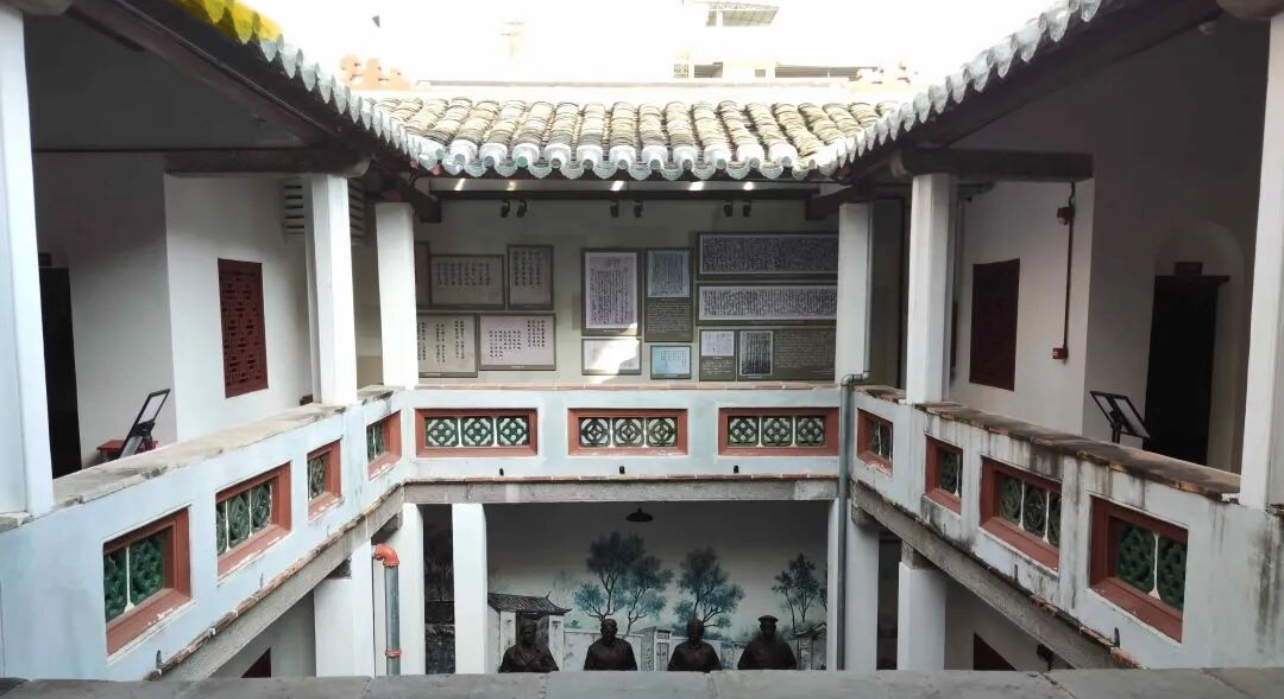
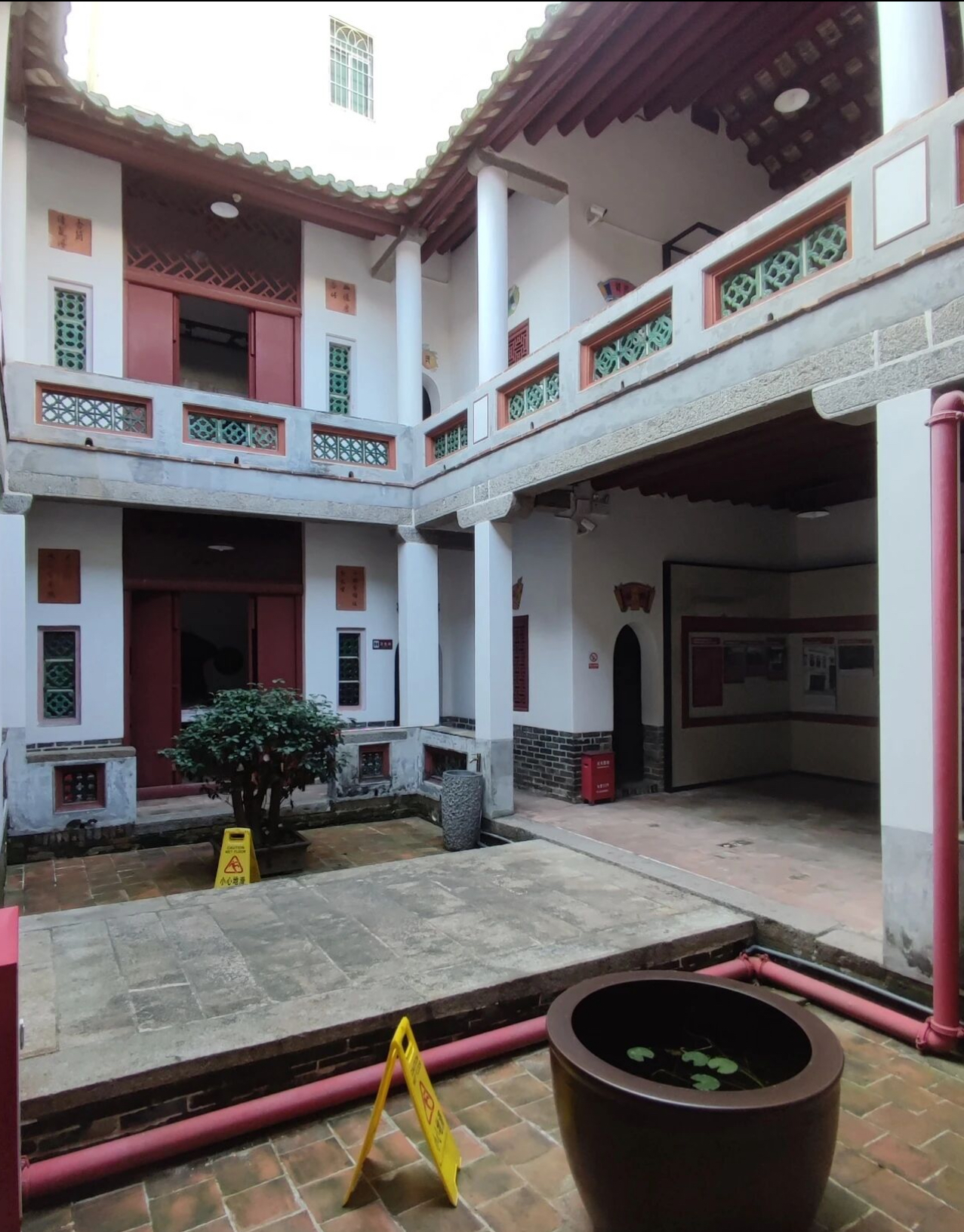
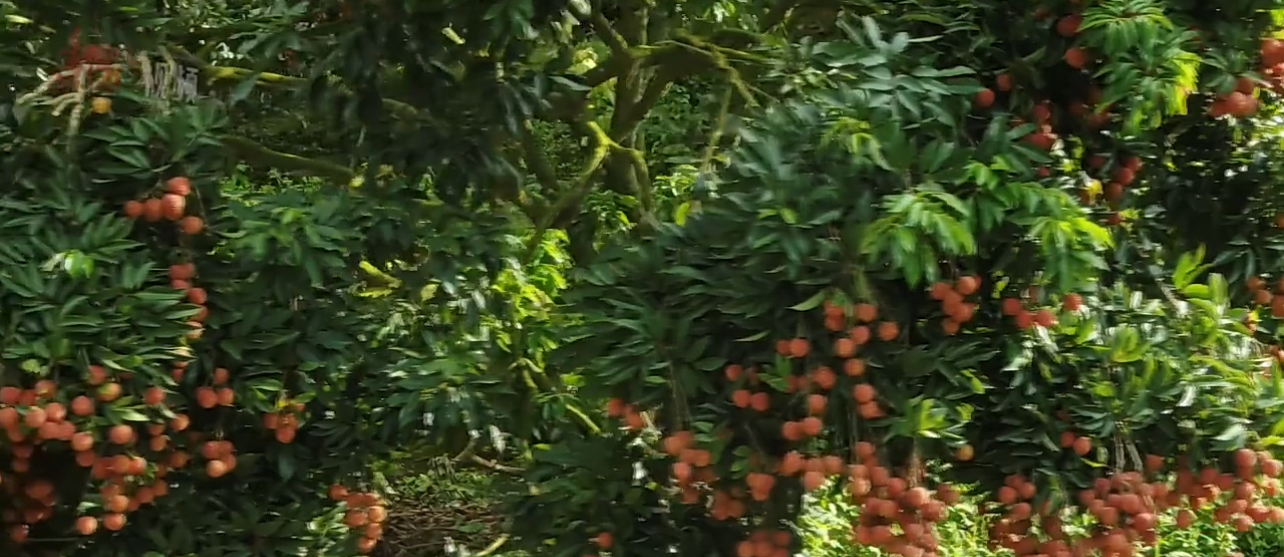
The first two plates show the building that housed the 嶺南日報 (Lingnan Daily News) in Gaozhou, where Wu Yuan Xing served as 總編輯 (chief editor) from roughly 1939 to 1949 — the Lingnan courtyard compound where editorial work and printing were done, and where commemorative editorial columns are now mounted on the rear gallery wall as a small in-situ exhibition. Gaozhou itself is famed nationally for lychee (荔枝); the third plate is from the orchards that defined the prefecture's economy and the paper's readership.
Family-attested·Plate
Gaozhou 高州 — Lingnan Daily News 嶺南日報 office, upper gallery
The upper gallery of the courtyard building that housed the 嶺南日報 (Lingnan Daily News) in Gaozhou 高州 in the post-war years, where Wu Yuan Xing 吳源興 served as 總編輯 (chief editor). The panels mounted on the rear wall are the surviving editorial columns and commemorative texts now exhibited there. Photographed by the family on a recent visit to the preserved site.
Family-attested·Plate
Gaozhou 高州 — Lingnan Daily News 嶺南日報 office, central courtyard
Central courtyard of the same building — a vernacular Lingnan compound of the kind common to Republican-era Gaozhou: two storeys around an open well, red lacquered shutters, glazed-tile parapets. This was the working address of the 嶺南日報 (Lingnan Daily News) from which Wu Yuan Xing edited and printed the paper as 總編輯 (chief editor). The wall-mounted exhibition panels visible at right are part of the local memorial display.
Confirmed·Plate
Lychee country — 高州荔枝
Gaozhou is the historical heartland of Chinese lychee cultivation (高州荔枝, recorded since the Tang and famously tied to Yang Guifei's tribute fruit). The orchards are part of why the prefecture mattered — it was an agricultural and trading centre as much as an administrative one, and the readership of the local paper was rooted in this rural economy.
Hong Kong — colleagues, schools, university
After 1949 the brother's working life moved into education and the Hong Kong Cantonese diaspora. The plates below collect the institutional context: the founding gate of 大同中學 (Datong Middle School), the inauguration of a board of the 香港高州同鄉會 (the Hong Kong same-prefecture association that linked Gaozhou-origin residents in the colony), the main-campus opening of 珠海學院 (Chu Hai College of Higher Education, the Hong Kong successor of the 1947 Guangzhou-founded 珠海大學), and two reference plates from the woodblock-print tradition that ran through the brother's artistic life.
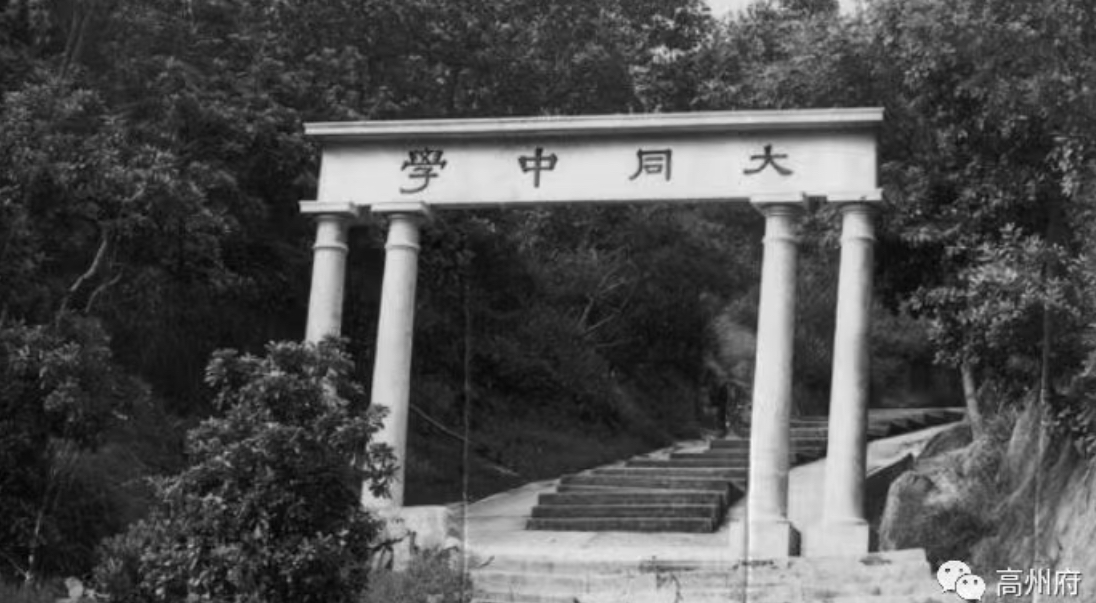
Family-attested·Plate
大同中學 (Datong Middle School) — founding gate
The original hillside gate of 大同中學 (Datong Middle School), the post-1949 school in which Wu Yuan Xing served on the founding faculty. Datong sat within the educational network organised around 陳濟棠 and the Cantonese émigré community after the relocation south. For Whampoa-trained officers of his generation, teaching was one of the few honourable second careers available outside the mainland.
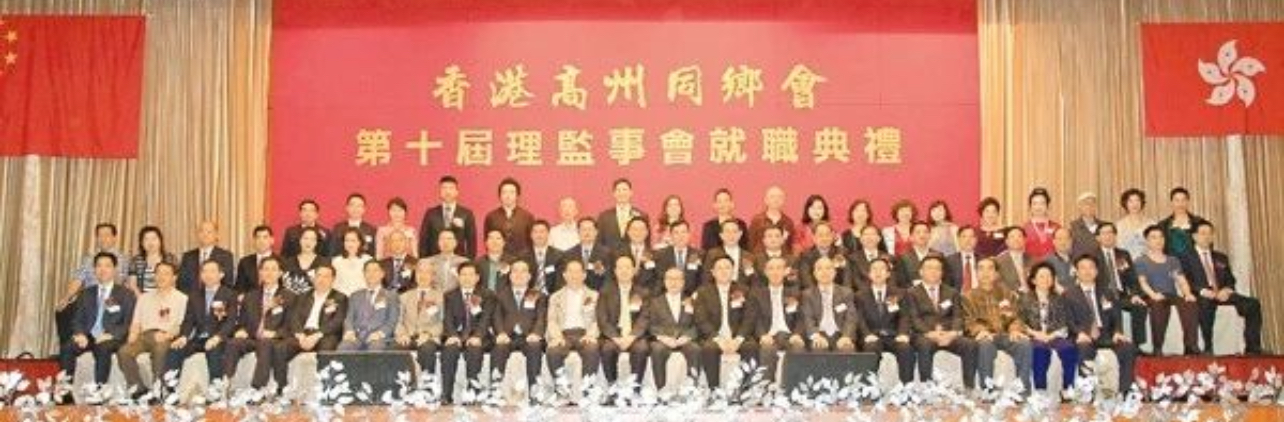
Inferred·Plate
香港高州同鄉會 — Hong Kong Gaozhou Fellow Association
Inauguration of the 10th Board of Directors and Supervisors of the 香港高州同鄉會 (Hong Kong Gaozhou Fellow Association). The Association is the principal mutual-aid and cultural body for Gaozhou-origin Hong Kong residents, and one of the social networks through which Wu Yuan Xing's generation kept the home prefecture's institutions — newspapers, schools, scholarship funds — funded and connected after 1949. Included here as context for the colleague circle, not as identification of individual figures in the frame.
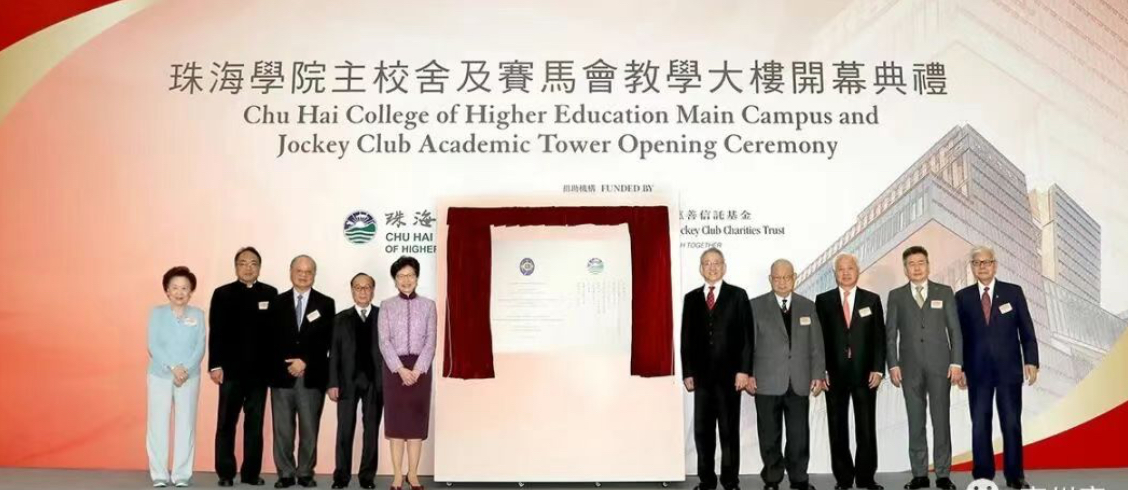
Confirmed·Plate
珠海學院 — Chu Hai College of Higher Education, main-campus opening
Opening ceremony of the main campus and Jockey Club Academic Tower of 珠海學院 (Chu Hai College of Higher Education). Chu Hai traces its lineage to the 1947 Guangzhou-founded 珠海大學 — a Cantonese private university relocated to Hong Kong in 1949, and one of the principal institutions through which the Republican-era Guangdong educational tradition continued in the colony. Wu Yuan Xing's Hong Kong circle overlapped with its supporting community.
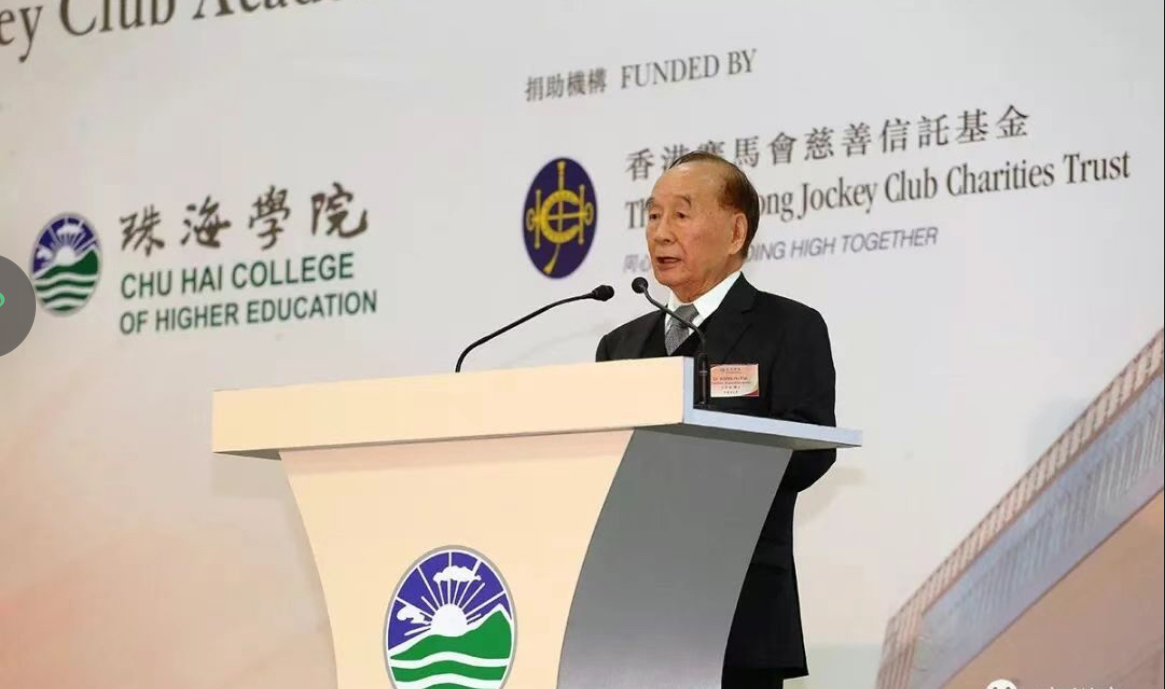
Inferred·Plate
珠海學院 — speaker at the opening ceremony
A senior Hong Kong patron addressing the Chu Hai College opening ceremony, with the Hong Kong Jockey Club Charities Trust banner behind. Reproduced from the publicly circulated ceremony photographs as further context for the colleague and donor network around the school's expansion; specific identification of the speaker is left to the source publication.
Inferred·Plate
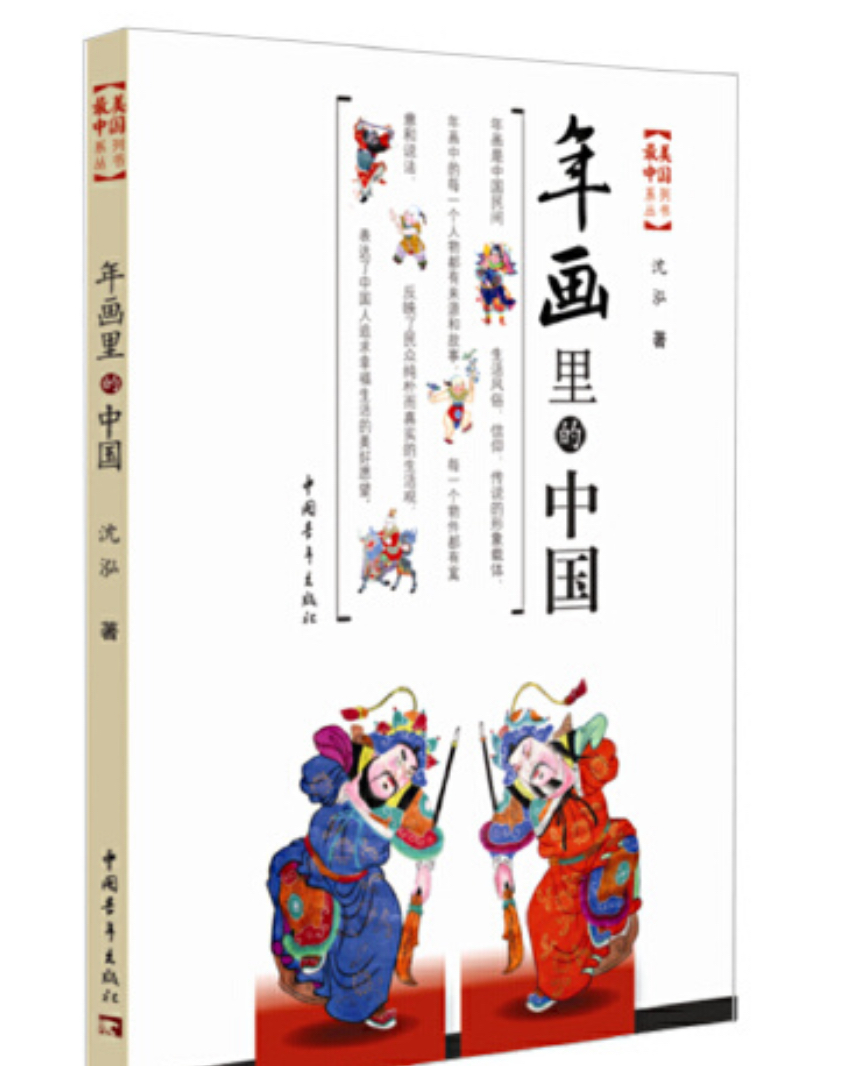
《年画裡的中國》 — woodblock New-Year prints
《年画裡的中國》 (China-in-Nianhua) by 沈泓, China Youth Press — a representative title from the circle of Chinese folk-art and woodblock-print scholarship that overlapped with the brother's lifelong interest in 木刻 (woodblock carving). Included as evidence of the artistic milieu, not as authorship attribution.
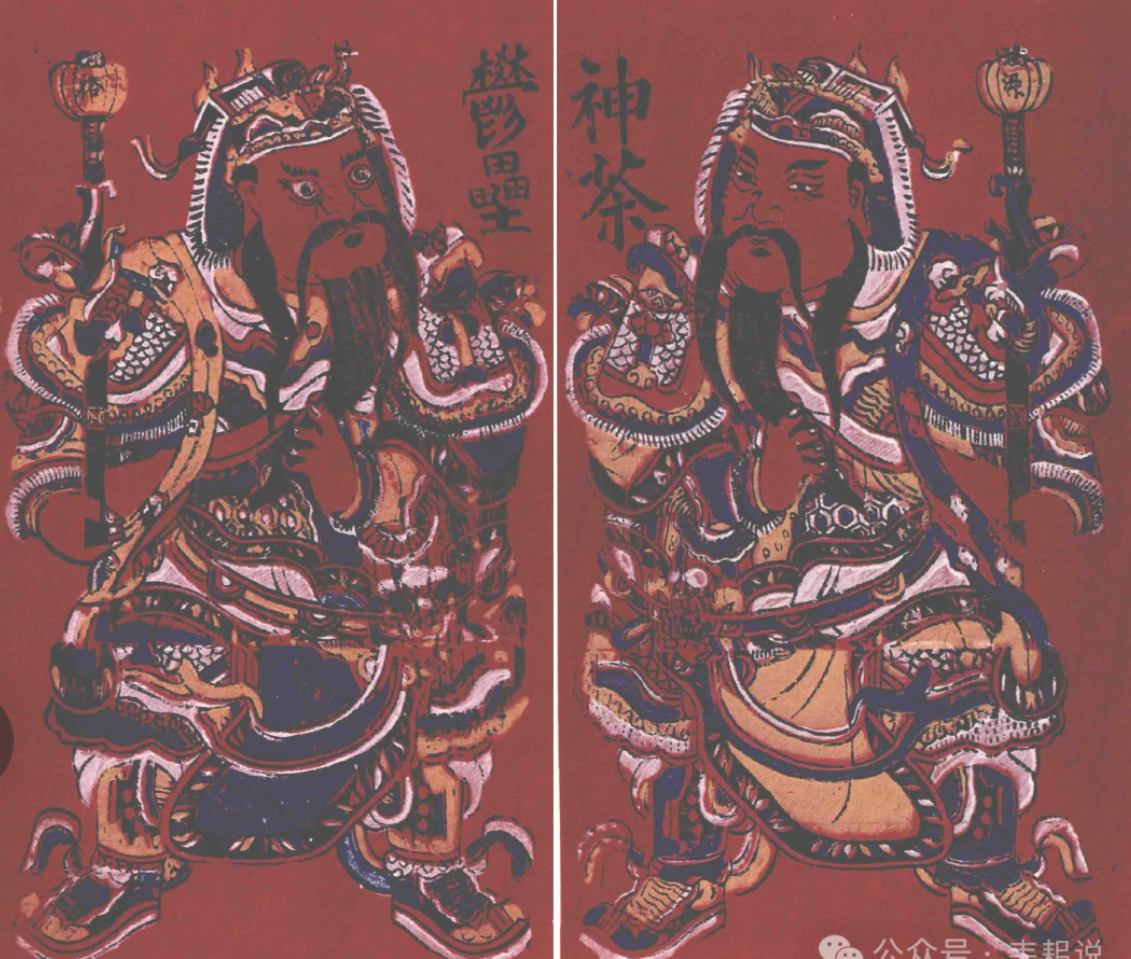
Confirmed·Plate
門神 神荼 · 鬱壘 — door-god woodblock prints
The classical pair of door gods 神荼 (Shentu) and 鬱壘 (Yulü), printed from carved woodblocks in the southern Chinese folk-print tradition. Woodblock carving — the same craft used historically to set newspaper headers and seals — is the medium through which Wu Kun's regimental seal is rendered on this site, a tribute to the brother who worked in it.